




A dive into the history of the Rolex Daytona: From race track to luxury icon
The Rolex Daytona is one of the most iconic and sought-after watches in the world. Named after the Daytona International Speedway in Florida, this luxury timepiece is made with high performance, precision, and style. Whether you're an avid watch collector or new to the world of luxury watches, understanding the history, design, and features of the Rolex Daytona can deepen your appreciation for this remarkable timepiece. To many, this is the most complete and aesthetically pleasing watch made in the rolex lineup, and a watch any collector desires to have. However, this watch is more than just a very good looking, well-made iconic timepiece, it is a watch that many collectors love because of its rich history embedded in motorsport. Today, we are going to delve into the history of the Rolex Daytona so you can fully appreciate this incredible timepiece.
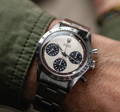
The Rolex Daytona was introduced in 1963, designed specifically to meet the needs of professional race car drivers. Paul Newman, a renowned actor and avid race car driver, was frequently seen wearing his Rolex Daytona, a gift from his wife, Joanne Woodward. His particular model, characterised by a unique Art Deco-style font on the sub-dials and a contrasting colour scheme, came to be known as the "Paul Newman" Daytona. The main purpose of the watch was to accurately measure each lap time and calculate average speed with precise measurement with speeds upwards of 200 mph, which is essential in the world of motor racing. This distinctive design, featuring a black or white dial with subsidiary dials in a contrasting colour, is highly sought after by collectors.
The Essence of the Rolex Daytona: Between Watchmaking Tradition and Motorsport Heritage
The Daytona International Speedway, constructed in 1959, quickly gained a reputation as one of the world's most prestigious racing circuits. Rolex saw an opportunity to capitalise on this growing popularity by making a strong relationship with the racetrack, thus the name. Rolex has always had the incredible ability to know when to get involved and use marketing in the perfect way to create something iconic instead of over-marketed. With horology slowly growing in popularity, Rolex knew that this would be the perfect opportunity to create a purpose-built elegant sportwatch associated with motosport. Bear in mind back in the early 1960’s people didn’t have the ability to post pictures of their timepiece on Instagram of themselves wrist-rolling theri timepiece with an F1 race track in the background like today. So, Rolex would then go on to slowly and carefully build the Daytona around motorsport creating its association within the world of racing so strongly it would leave a forever mark in the industry, as evidenced today.
Source : Rolex Magazine
Source : Bob’s Watches
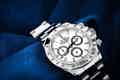
The Rolex Daytona typically comes in a 40mm Oyster case, known for its durability, water resistance and striking look. The watch features a tachymetric scale on the bezel for measuring speed, a crucial function for the purpose of the watch; racing. The dial is clean and legible, with three sub-dials that track hours, minutes, and seconds for the chronograph function. The Daytona is the first watch anyone would think of after hearing the word chronograph, as it is such an iconic feature and design on the Rolex Daytona, serving a specific purpose for race drivers.
Initially, the Daytona used manual-winding movements, but in 1988, Rolex introduced automatic movements in collaboration with Zenith. In 2000, Rolex unveiled its own in-house automatic movement, the Calibre 4130, which is known for its reliability and precision. After having added their own in-house movement to their watch, the desire to have the Rolex Daytona exceeded expectations as it was now a fully in house made Rolex watch, marking a changing point in the history of the Daytona.
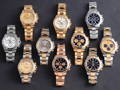
The Rolex Daytona's versatility and appeal have significantly increased by its availability in a variety of materials, catering to a wide range of tastes and preferences. The classic stainless steel models are highly prized for their resilience and understated elegance, making them a popular choice for both casual and formal occasions. For those who want a touch of opulence, the Daytona is also offered in luxurious gold variants, including yellow, white, and the distinctive Everose gold, a unique alloy developed by Rolex.
The gold models have a sense of prestige and are often complemented with diamonds or other precious stones for added allure. For the pinnacle of luxury and rarity, the Daytona in platinum stands out with its substantial feel and distinct aesthetic, often featuring ice blue dials exclusive to Rolex’s platinum models, that only Rolex's best customers have the opportunity to acquire directly from them.
Source : Swiss Watch Expo
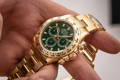
Source : Watch Collecting
John Mayor, an extremely renowned singer-songwriter and guitarist, is a passionate watch collector and a notable fan of the Rolex Daytona. His love for this particular model has led to the creation of a special edition known as the "John Mayer Daytona." This custom Rolex Daytona features a unique dial design, which combines elements from various vintage Daytona models, showcasing Mayer's appreciation for the watch's history and aesthetics.
Products featured in the article
Materials, often synonymous with luxury
Furthermore, beyond the choice of metals, the Daytona's allure is moreover amplified by its diverse range of dial colours and designs. Rolex continuously innovates with new dial options, offering everything from classic black or white to vibrant and expressive colour tones that cater to individual tastes and trends. You can also find variety in the bracelet where most Daytona’s are available with the Oyster bracelet, but there are variations, like the leather strap found on some earlier and special models and also rubber straps that are usually found on the gold case variation. Rolex occasionally releases special or limited edition Daytona’s, often characterised by unique design elements or commemorating significant events or anniversaries. These are typically produced in limited numbers and are highly sought after by collectors. For example, one of the iconic updates is the platinum Daytona to commemorate the model's 60th anniversary. At first glance, it may appear as a little update, but there's more than meets the eye. Flip over the exclusively platinum timepiece to uncover its hidden gem: the brand-new Calibre 4131, proudly displayed beneath a see-through case back, ready for admiration. A new history of the Rolex Daytona was made with this update.
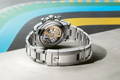
Source : Monochrome Watches
Proper maintenance and care are essential for preserving the functionality and aesthetic of the Rolex Daytona, ensuring it remains a treasured piece for generations. Regular servicing, which has been recommended every 10 years, is crucial for mechanical precision and longevity. During servicing, the watch is disassembled, cleaned, and any worn components are replaced. The case and bracelet are also carefully polished to restore their original gleam.
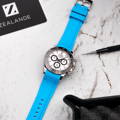
Owners should avoid exposing the watch to extreme temperatures, chemicals, and magnetic fields, which can affect its performance. For daily care, it's advisable to gently wipe the watch with a soft cloth to remove dust and fingerprints. The Daytona's water resistance should be checked periodically, especially if the watch is frequently used in water, although it has got a 100 metre water resistance. Storing the watch in a dry, temperate environment when not in use is also important to prevent damage. This is advised if keeping your Rolex Daytona as an investment and in a safe in order to keep the longevity of the watch to a maximum.
The Rolex Daytona: More than a Watch, a Symbol of Luxury and Performance

Source : Chrono Hunter
The Rolex Daytona has gone beyond its initial purpose as a tool watch for racing, becoming a cultural icon in its own right. Its association with high-profile personalities, especially Paul Newman, has embedded it deeply in the world of motorsport culture. The Daytona is often seen as a symbol of success and a statement of refined taste, frequently appearing in films, television shows, and on the wrists of celebrities beyond the racing world. This cultural importance has played a significant role in shaping its identity as more than just a timepiece, but a representation of luxury, achievement, and a certain lifestyle aspiration.
The watch's design, which balances elegance with functionality, has also influenced fashion and design, becoming a benchmark for luxury sports watches. Collectors and enthusiasts often share stories about their Daytona’s, whether it's how they came to acquire one or the personal significance it holds, further contributing to its status. The Daytona’s impact on watchmaking in the culture of watches has positioned it as an iconic timepiece that other brands look up to and aspire to be able to craft.
The heart of the Rolex Daytona's exceptional performance lies in its movement. Initially, the Daytona was equipped with manual-winding movements, which required daily winding by the wearer. In 1988, a significant evolution occurred when Rolex introduced the Zenith El Primero-based automatic movement, marking the transition to self-winding mechanisms. This change in movement significantly enhanced the watch's precision and life span of the mechanism. However, the pinnacle of Daytona's technical achievement was achieved in 2000 with the debut of Rolex's in-house automatic movement, the Calibre 4130.
This movement was a breakthrough in watchmaking, making the timepieace a more efficient design with fewer components than standard chronographs, further enhancing the reliability of the watch . The Calibre 4130 also featured a longer power reserve and a Parachrom hairspring, which provided greater resistance to shocks and temperature variations. This innovation that Rolex made became the pinnacle of horological engineering, embodying Rolex's commitment to precision, durability, and innovation.
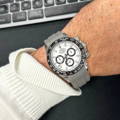
Source : Mamic
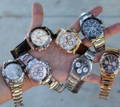
The Rolex Daytona is more than just a watch that tells the time, it's a symbol of luxury, performance, with a rich history intertwined with the world of motorsport. Whether for its functionality, design, or as a collector's item, the Daytona continues to captivate watch enthusiasts and collectors around the world. It remains to this day 60 years after its release, a remarkable and desired watch by every watch collector. This is something that takes brands decades to create, and yet Rolex somehow seems to make it look so easy as they continue to refine the watches elegance, much like Porsche 911. You can still clearly see its original design but with the modern day features this watch can be worn everyday in almost any occasion you want it to. Just make sure to be mindful of those highly polished centre links, they do scratch!
Source : WatchesbySJX
Looking ahead, the future of the Rolex Daytona holds great promise, both in terms of its continued evolution and its legacy in the world of luxury timepieces. As watchmaking technology advances, there is anticipation for potential new features, materials, and design innovations that Rolex might introduce to the Daytona line. However, the brand is known for its careful and respectful approach to change, suggesting that any future developments will likely build upon the Daytona’s classic aesthetic and proven mechanical principles, rather than undertaking radical alterations, helping to keep its reputation of the Rolex Daytona. The Rolex Daytona is assured to remain a symbol of excellence in craftsmanship, a benchmark in the chronograph category, and a cherished heritage for generations to come.
And there you have, the history of the Rolex Daytona and where it gets its strong rooted motorsport heritage from. Being a sports watch, ZEALANDE have created the perfect high-quality rubber strap to take your wearing experience to the next level. The soft, yet very durable, rubber strap offers you the chance to not worry about the polished centre links and wear your Daytona in a more sporting environment, like racing. The new ZEALANDE rubber straps also offers you the choice between the classic tang buckle if you want that extra soft rubber touch all the way around your watch, or to use your OEM clasp for a more refined elegant look. Using your OEM Rolex clasp still gives you the 5mm easy link extension and it creates a look that’s designed to be as if Rolex themselves made this strap option themselves!


